
Paving
Patio and paving repairs in Norwich
City Garden Services repairs patios, paths and block paving across Norwich, lifting and relaying slabs and blocks that have sunk, rocked or worked loose.
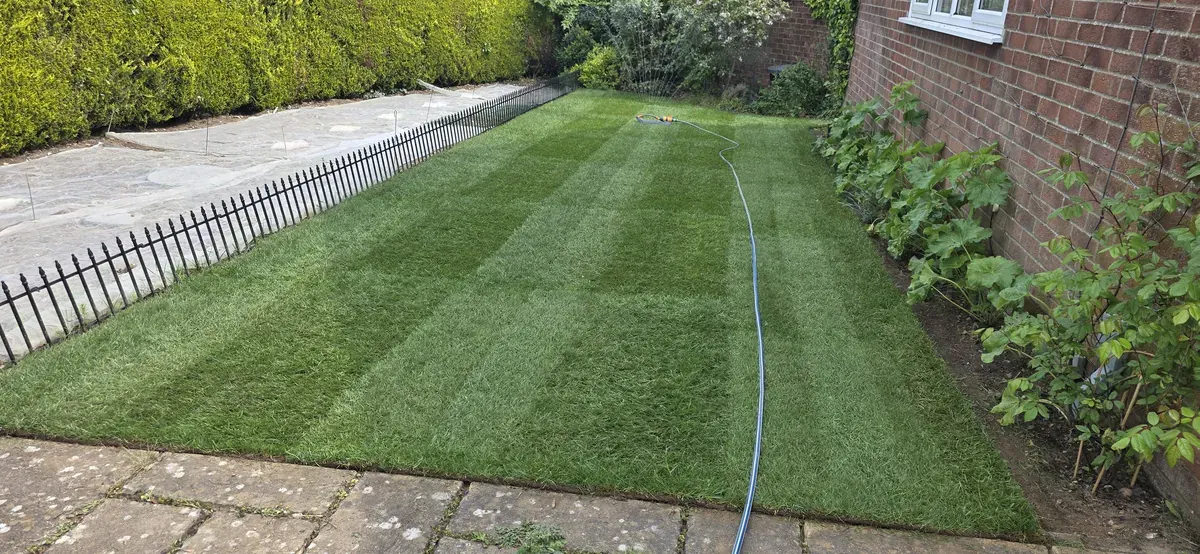
Making paving safe and level again
Paving goes wrong slowly. A slab starts to rock, water sits in a dip after rain, weeds push through the joints, and a block paved path develops a hollow where the bins are wheeled every week. Left alone, a loose slab becomes a trip hazard and a small dip turns into a wider area as the bedding underneath washes out.
A paving repair lifts the affected slabs or blocks, finds out why they moved, sorts the bed underneath and relays them level with their neighbours. Where joints have crumbled, we rake them out and repoint them so water and weeds stay out. Patios and paving are part of the everyday work of James Steven Landscapes & Lawns, so the repair is done with the same preparation as a new patio.
In older Norwich terraces, back yards and side passages are often paved with slabs laid decades ago on little more than sand. Repairing the worst areas properly can keep a yard usable for years without the cost of starting again.
Before you book
What to plan for
-
Spare slabs or blocks
If you have any spares left from when the paving was laid, keep them. They are the best match for any that need replacing.
-
Access and parking
Repairs need a mixer, sand and sometimes a plate compactor. Let us know about narrow passages, steps or permit parking outside.
-
Drains and covers
Paving often sits around drain covers and gullies. Point them out so we can keep them clear and working.
-
Use after the repair
Mortar needs time to set. Plan to keep heavy furniture, bins and cars off the repaired area until we say it is ready.
How a paving repair works
- 1
Show us the problem
Photos of the loose or sunken areas help us judge the job and bring the right materials.
- 2
We find the cause
On site we check the bedding, the drainage and anything underneath, such as a leaking downpipe or a settled trench.
- 3
Free quote
You get a clear price for lifting, rebedding, relaying and pointing the areas that need it.
- 4
Relay, point and clean
Slabs and blocks go back level, joints are filled, and the area is swept and left clean.
Worth knowing
Good to know
-
Spot bedding causes rocking
Slabs laid on a few dabs of mortar can rock and crack. Relaying on a full bed spreads the load evenly.
-
New slabs look newer
Even the same product looks brighter than paving that has weathered for years. The difference softens with time.
-
Keep below the damp course
Paving against a house should sit well below the damp-proof course, usually about two brick courses, so water cannot bridge it.
-
Pressure washing and joints
A pressure washer can blast pointing and sand out of joints. Aim at the face of the paving, not along the gaps.
Can you fix a few loose slabs?
Yes. Relaying a handful of slabs is a typical City Garden Services job, and we will check the rest of the patio while we are there.
Why has my block paving sunk?
Usually the sand bed or the sub-base underneath has moved, often from water getting in or heavy loads in one spot. Relaying with a sound bed fixes it.
Can you match my existing slabs?
We will source the closest match available. Older or discontinued paving can be hard to match exactly, so spare slabs are always worth keeping.
Should I repoint or relay?
If the slabs are solid and level, repointing is enough. If they rock or sit low, they need lifting and relaying first.
Do you repair paths and steps too?
Yes. Garden paths, side passages and paved steps are repaired the same way as patios.
Will a repaired area be safe to walk on straight away?
Light foot traffic is usually fine once we have finished, but leave heavy loads off until the mortar has fully set.
Other jobs we can help with
- Lawn repair and renovationBare patches, moss, dips and worn-out grass brought back to a lawn you want to use.
- Fence repairsLeaning posts, split panels and storm damage put right, one panel or one side at a time.
- Garden gatesNew timber side gates fitted, and sagging or sticking gates rehung so they close properly.
- Garden clearanceOvergrown gardens cut back and cleared, so you can see what you have and plan what is next.
Slabs rocking or paving sinking?
Tell us where and send a photo, and we will arrange a visit and a free quote.